How to Plan a Padel Holiday in Spain: Courts, Coaching and Travel Costs
Spain has become the natural home of the padel holiday, not just because the sport is everywhere, but because the entire travel experience is built around it. From coastal clubs with sunlit outdoor courts to high-performance academies inland, the country offers a rare mix of playability, coaching quality, and holiday appeal. What makes Spain especially attractive is the way padel fits into the rhythm of the trip, allowing you to train, compete, recover, and still enjoy everything else the destination offers. You can build a trip around a few intense sessions, or you can turn it into a full training camp with matches, lessons, and downtime in between. The key is planning with purpose, because the best padel holidays are not improvised; they are designed around the right location, the right club, and a realistic budget. If you get those pieces right, the trip becomes much more than a sports holiday.
Why Spain Is the Ideal Padel Holiday Destination
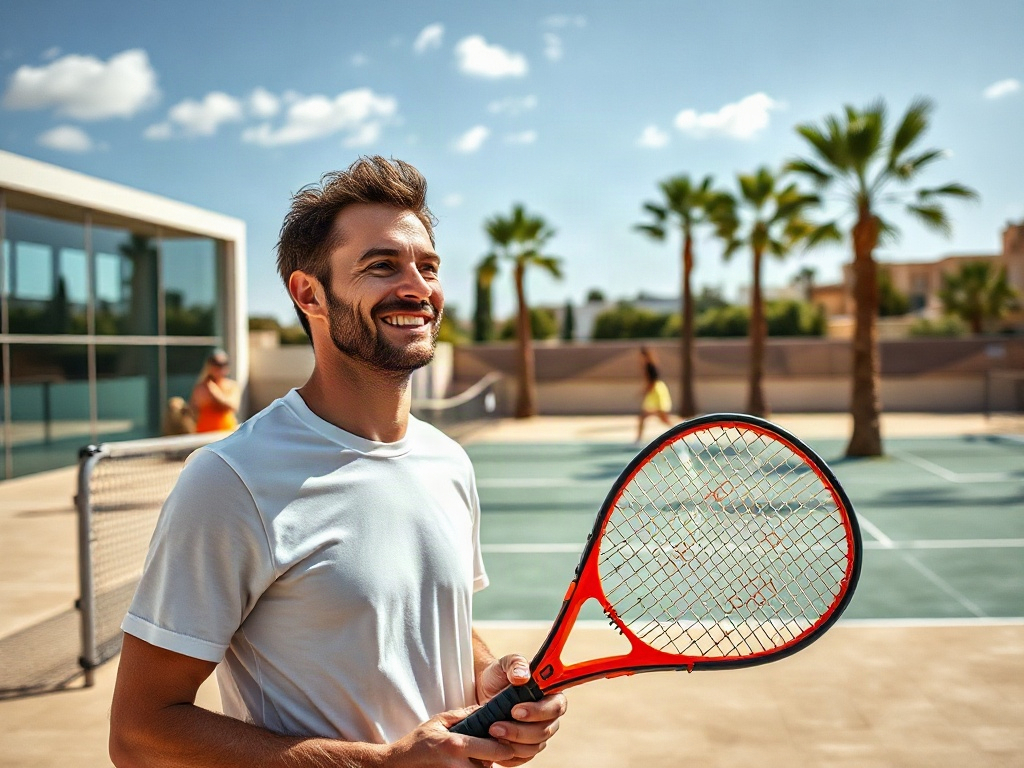
Spain sits at the center of the padel world in Europe, and that matters when you are choosing where to travel. The country has a deep padel culture, which means you are not searching for a niche activity, but stepping into a sport that is widely understood and professionally supported. Courts are easy to find in many towns and cities, and many clubs are accustomed to hosting international visitors with different skill levels. The weather also works in your favor for much of the year, especially if you want to avoid the colder conditions that can make outdoor training difficult elsewhere in Europe. Beyond the practical side, Spain offers a strong lifestyle appeal, with excellent food, beaches, nightlife, and relaxed cities that make it easy to balance effort and enjoyment. For many players, that balance is exactly what turns a trip into a proper holiday.
Another reason Spain works so well is the variety. You can choose a polished resort environment, a competitive training academy, or a city-based padel trip where you mix tennis-club style sessions with sightseeing. Some destinations are built for high-end comfort, while others are better for efficiency and value. This range means the holiday can be tailored to your goals rather than forcing you into a generic package. If your aim is improvement, you can focus on coaching access and quality courts. If your aim is fun and social play, you can look for clubs that organize matches and welcome visiting players. Either way, the infrastructure is mature enough to support your plans without much compromise.
Choosing the Best Destination for Your Trip
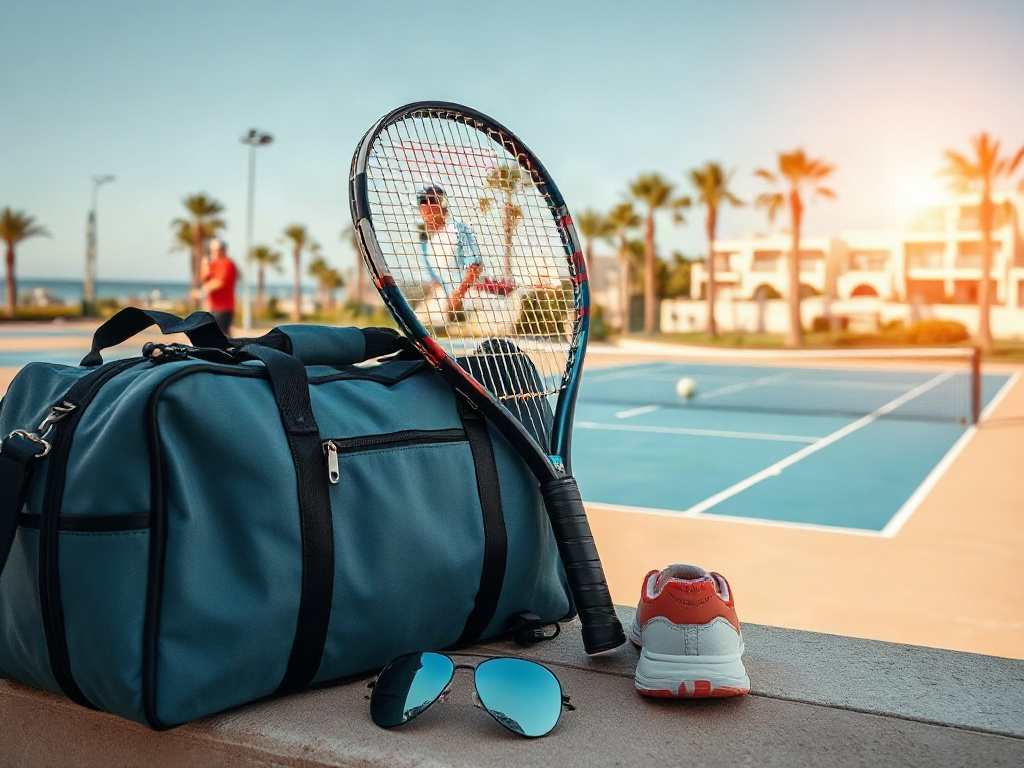
The destination you choose will shape almost every part of the holiday, from your daily schedule to your overall cost. Coastal areas tend to offer a more relaxed vacation atmosphere, while urban destinations usually provide more club density and broader transport options. Some regions are especially popular because they combine easy airport access with strong padel communities and plenty of accommodation choices. You should also think about whether you want a quieter training base or a livelier area with more restaurants, beaches, and evening entertainment. The best choice is not always the most famous one; it is the one that fits your energy level, budget, and training intent. A little location planning can save both money and frustration later.
Costa del Sol is one of the best-known choices for padel travelers, especially if you want sunshine, a large club network, and a classic holiday feel. Marbella often appeals to visitors looking for a premium experience, while nearby towns can offer slightly better value without losing access to quality facilities. Barcelona is a strong option for players who want an urban trip with a serious sporting edge, and it is especially appealing if you want easy international flights and city sightseeing. Alicante and Valencia can be excellent for players seeking good weather, competitive clubs, and more moderate prices than the most exclusive coastal areas. Mallorca offers a strong blend of holiday charm and sporting convenience, making it attractive for groups and couples alike. In practice, the “best” location depends on whether you care more about training intensity, travel ease, or the overall holiday atmosphere.
If you are traveling for a specific purpose, the destination should reflect that purpose clearly. For example, a beginner-friendly holiday may be easier in a resort or academy that offers structured lessons and social games, while a more advanced player may benefit from a city with more competitive match options. Families may prefer locations with beaches and non-padel activities, while solo travelers might value clubs that help arrange partner matches. The point is to avoid choosing a destination only because it is famous. Instead, match the place to your expected routine, your budget, and your preferred style of play. That approach leads to a far better trip overall.
Finding the Right Padel Courts and Clubs
Not all padel clubs are equal, and on a holiday the difference can be significant. A good club does more than provide courts; it creates a smooth experience from booking to play to recovery. You want surfaces that are well maintained, lighting that works properly for evening sessions, and a schedule that is flexible enough to fit around travel plans. Many visitors also appreciate clubs that can organize matches, especially if they are traveling without a fixed group. The more structured the club environment, the easier it is to maximize your time on court. In Spain, this usually means you will have options, but it still pays to research carefully before booking anything.
When checking clubs, it helps to look beyond the photos. Ask whether they offer racket rental, ball sales, locker rooms, showers, and café facilities, because these details affect the ease of your day. If you plan to take lessons, confirm the coaching language, the session format, and whether they can match your level properly. Some clubs are excellent for casual holiday play but less suited to serious training, while others are almost academy-like in structure. Your ideal option depends on whether you want a few relaxed games or a more intensive week of improvement. In either case, the best clubs tend to be transparent, organized, and easy to communicate with before you arrive.
- Well-maintained indoor or outdoor courts with reliable lighting and safe playing surfaces
- Experienced coaches who can adapt lessons to your level and goals
- Flexible booking options for private sessions, group coaching, and match play
- Facilities such as changing rooms, showers, cafés, and equipment rental
- Support for visiting players, including partner matching and multilingual staff
If you are staying for more than a few days, club atmosphere becomes almost as important as court quality. A welcoming club can help you settle in quickly, find partners, and make the trip feel social rather than transactional. Some clubs run organized ladders, social tournaments, or mixed-level games that are perfect for visitors. Others focus more heavily on elite training, which may be better if your holiday goal is pure development. The right environment will make you want to return, and that is usually a sign you have chosen well. In a padel holiday, convenience and culture matter just as much as the courts themselves.
Booking Coaching and Training Sessions
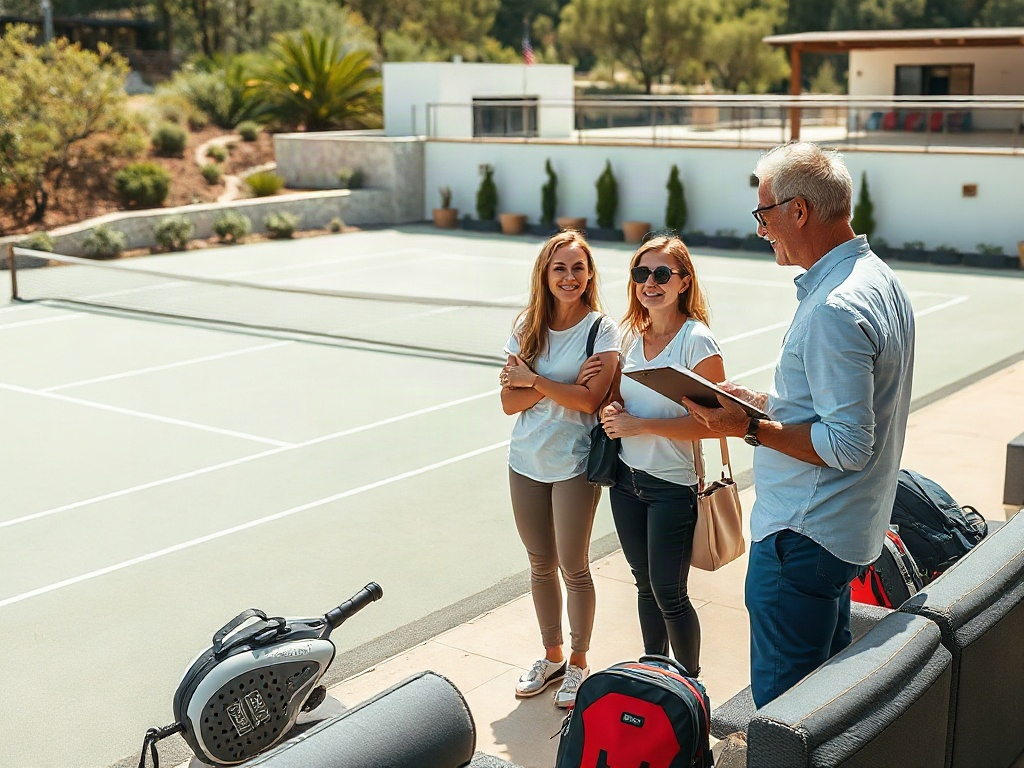
Coaching is often the highlight of a padel trip because it gives structure to your time and makes the holiday feel productive. Even players who already train regularly can benefit from a different coaching perspective, especially in a country with such a strong technical culture. Sessions in Spain may focus on positioning, shot selection, decision-making, or match patterns, depending on your level and the coach’s style. The best coaches do not overload you with information; they give you a few practical changes that you can apply immediately in games. This can make a short trip surprisingly valuable if the coaching is well designed. In many cases, one good session is enough to change how you think about the court.
It is usually worth deciding in advance whether you want private lessons or group coaching. Private lessons are ideal if you need specific correction, want faster progress, or prefer a more customized pace. Group sessions are often cheaper and more social, and they can be a good fit if you are traveling with friends or want to meet other players. Many clubs offer a hybrid approach, with one-to-one coaching followed by guided match play. That can be especially effective if you want to practice technical ideas under pressure. Planning the right mix of sessions is one of the best ways to get real value from your holiday.
- Private lessons give you focused feedback and a tailored improvement plan
- Group coaching is usually more affordable and creates a social training environment
- Private sessions work well for targeted technical fixes or tactical adjustments
- Group sessions can help you practice match play and communication under real conditions
- A mixed format can offer the best balance between cost, learning, and enjoyment
A coaching package may also include extras such as video analysis, fitness work, or recovery support, depending on the academy. These additions can make a holiday feel more professional and can be especially useful if you are trying to improve in a short space of time. Before booking, ask what is included so that you do not pay separately for services you assumed were part of the package. Some centers offer structured weekly programs, while others build sessions around your arrival dates and ability level. If possible, send a short summary of your experience and goals before you travel. That small step often leads to a much better coaching match.
Planning Your Travel and Accommodation
Travel logistics can have a huge impact on the quality of a padel holiday, even if they seem secondary to the sport itself. A destination with easy airport access, short transfers, and accommodation near the club can make the trip feel relaxed from day one. Long commutes between hotel and court can reduce your energy and eat into valuable playing time. You should also think about whether you need a rental car, especially if the club is outside a main city center. In some cases, a walkable location is worth paying slightly more for because it keeps the schedule simple. Good travel planning protects both your time and your budget.
The season matters just as much as the location. Spring and autumn are often ideal because the weather is comfortable, the courts are easier to book, and rates are often less extreme than in peak summer. Summer can still be appealing, especially for beach-focused trips, but heat and demand may push costs upward. If you are traveling with a group, staying in an apartment can be efficient and social, while solo travelers may prefer hotels with breakfast and easy transport access. Sports resorts and academy accommodation can also work well if you want everything in one place. The best option depends on how much independence you want and how much convenience you are willing to pay for.
| Trip Type | Typical Accommodation | Coaching Style | Approximate Cost Level |
|---|---|---|---|
| Budget | Shared apartment or simple hotel | Group sessions or occasional private lesson | Lower |
| Mid-range | Comfortable hotel or self-catering apartment | Regular coaching plus match play | Moderate |
| Premium | Resort, academy stay, or upscale hotel | Private coaching, analysis, and extra services | Higher |
Accommodation should not be chosen in isolation from your training schedule. If you have early lessons, being close to the club will matter more than having the fanciest room. If your holiday is partly about relaxation, then a property with a pool, terrace, or beach access may be more attractive. Many visitors also like apartments because they can manage meals more flexibly and reduce restaurant costs. The trade-off is that you may need to handle more of the logistics yourself. As always, the right choice is the one that supports your specific version of the trip rather than someone else’s ideal.
Understanding the Costs of a Padel Holiday
Budgeting for a padel holiday is easier when you separate the trip into its main moving parts. Flights, accommodation, court bookings, coaching, food, transfers, and equipment rental can all add up quickly if you do not plan them together. The destination and season are often the biggest cost drivers, especially in sought-after coastal areas during school holidays or peak summer. Coaching can also vary widely depending on whether you want private tuition or shared sessions. A realistic budget should leave room for both expected expenses and small extras. If you understand the cost structure before you book, the holiday becomes much easier to control.
It is useful to think in terms of three broad trip styles. A budget trip usually focuses on practical accommodation, shared sessions, and minimal transport costs. A mid-range trip balances comfort and coaching quality, often with a good hotel or apartment, regular court time, and convenient transfers. A premium trip may include luxury lodging, one-to-one coaching, extra recovery services, and premium airport transfers. None of these options is inherently better, because each one serves a different kind of traveler. The goal is to spend where it matters most to you and save where it does not. That approach keeps the trip enjoyable without unnecessary financial pressure.
- Flights and airport transfers to and from your chosen destination
- Accommodation type, duration, and proximity to the club
- Court fees, coaching sessions, and possible match organization costs
- Meals, drinks, and any social activities away from the club
- Equipment rental, insurance, and optional extras like spa or recovery access
When comparing prices, remember that a cheaper base rate is not always the best value. A low-cost hotel far from the club may end up costing more once you add transport and time lost. Similarly, a slightly higher coaching fee may be worthwhile if the coach is better at communicating or if the session quality is consistently strong. You should also ask whether balls are included, whether court time is peak or off-peak, and whether there are discounts for longer stays. Small details can change the total more than people expect. For that reason, a good budget is built from complete information, not just headline prices.
What to Pack for a Padel Trip
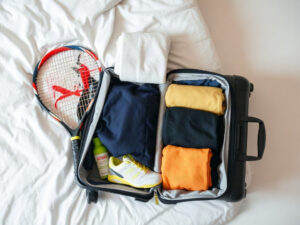
Packing well means fewer disruptions and a smoother playing experience once you arrive. The basics are straightforward, but missing one or two items can become annoying fast if you are training several times a day. You will want to bring clothing that handles heat, sweat, and repeated use, along with footwear appropriate for padel courts. If you are particular about grip, strings, or balls, it is best to bring your preferred setup rather than relying on local stock. Even if the club has rental equipment, consistency often matters more when you are trying to enjoy or improve your game. A thoughtful packing list can save both money and stress.
- Your own padel racket, especially if you want consistent feel and performance
- Padel shoes with good grip and support for court movement
- Sports clothing, socks, grips, and any recovery items you use regularly
- Sunscreen, hat, water bottle, and a towel for hot weather sessions
- Travel insurance, ID, charger, and spare space for souvenirs or extra kit
If you plan to train hard, think about recovery as part of your packing strategy. That might mean compression gear, blister care, hydration tablets, or even a small massage ball. Some travelers also bring extra shirts and socks so they can change between sessions without relying on laundry. If your trip includes sightseeing, casual clothes are obviously important too, but do not let them crowd out your sports essentials. A compact, intentional bag is usually better than overpacking. The more prepared you are, the more energy you can spend where it counts: on the court.
How to Combine Padel with Sightseeing and Relaxation
The best padel holidays are rarely just about padel. Spain makes it easy to blend sport with beaches, food, city life, and slower downtime, which is part of why the country works so well for this type of trip. You might train in the morning, have a long lunch, and spend the afternoon by the sea or walking through a historic neighborhood. That rhythm can actually improve the trip because it stops the schedule from feeling too rigid. It also gives your body time to recover between sessions. A well-balanced holiday usually produces better memories and better performances.
The trick is to avoid overloading the itinerary. If you schedule too many lessons or matches, you can end up too tired to enjoy the destination itself. On the other hand, if you leave no structure at all, the padel side of the trip may feel underused. A simple rhythm often works best: one or two training blocks per day, then space for meals, rest, or local activities. Many destinations offer enough variety that you can keep the holiday interesting without constant planning. In that sense, padel in Spain is not just a sport trip; it is a flexible travel format that can fit many styles.
Итог
Planning a padel holiday in Spain works best when you treat the trip as a combination of sporting goals and travel preferences. The destination should match your playing level, budget, and preferred atmosphere, while the club should offer the quality and support you need on court. Coaching can be the defining feature of the holiday, especially if you choose the right balance between private sessions and group play. Costs will vary widely, but a clear understanding of flights, accommodation, court time, and training makes the whole process far more manageable. Packing smartly and leaving space for relaxation will also improve the experience. With the right planning, Spain can give you a holiday that is both enjoyable and genuinely useful for your game.
Часто задаваемые вопросы
- What is the best place in Spain for a padel holiday?
Costa del Sol, Marbella, Alicante, Barcelona, and Mallorca are all popular choices, but the best destination depends on your budget, training goals, and preferred holiday style. - How much does a padel holiday in Spain cost?
Costs vary widely, but your main expenses will usually be flights, accommodation, coaching, court bookings, transfers, meals, and any equipment rental. - Should I book coaching in advance?
Yes, booking in advance is strongly recommended, especially if you are traveling in peak season or want sessions with a specific coach or academy. - Do I need to bring my own padel racket?
Not always, because many clubs offer rentals, but bringing your own racket usually gives you more consistency and comfort during the trip. - What is the best time of year to go?
Spring and autumn are usually the most comfortable seasons, with better weather conditions and often better value than the busiest summer periods.