

Padel Camps for Solo Travellers: How to Compare Groups and Coaching Packages
Travelling alone does not have to mean choosing between a great holiday and real progress on court. A well-chosen padel camp can give solo travellers both: structured coaching, lively group energy, and the kind of effortless social setup that makes meeting people feel natural rather than forced. The challenge is that not every camp is designed with independent travellers in mind, and not every package offers the same balance of training, comfort, and value. Some camps lean heavily toward competitive development, while others are built around community, fun, and all-round travel convenience. If you compare the details carefully, you can find a camp that matches your level, your personality, and your goals for the trip. That is what makes the difference between a good week abroad and a genuinely memorable one.
Why Padel Camps Are a Great Choice for Solo Travellers
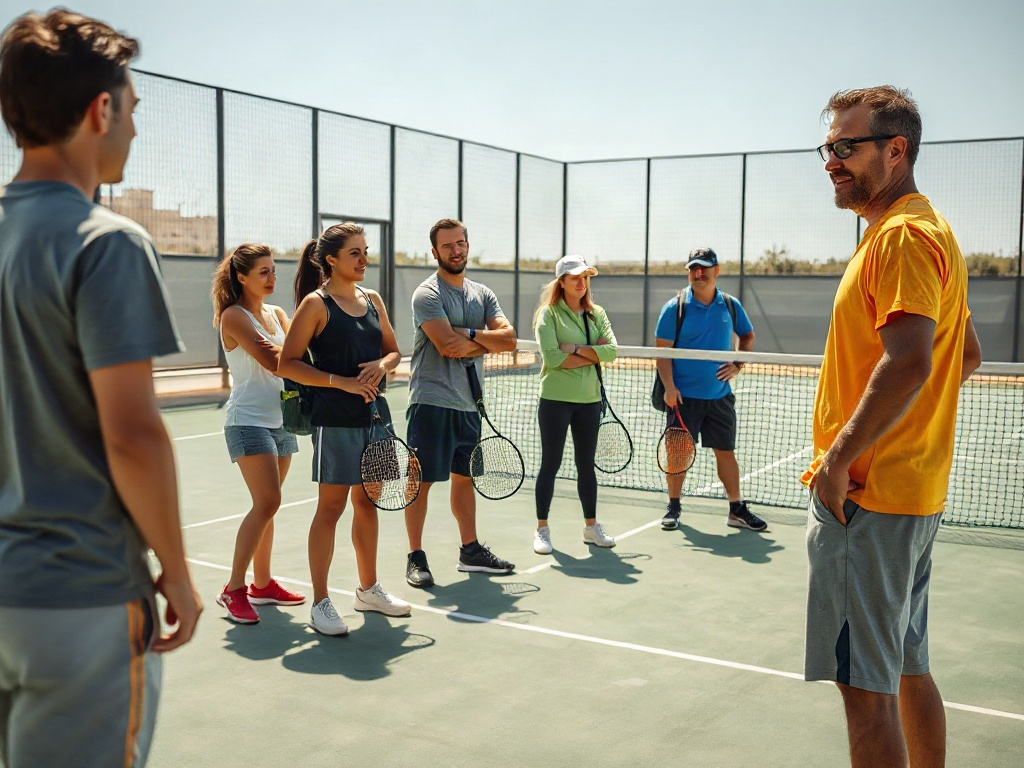
Padel camps suit solo travellers because they remove much of the friction that can come with organising a sports trip alone. You arrive with a clear schedule, a built-in group, and a shared purpose that makes conversation easier from the start. Instead of wondering how to fill the day or where to find suitable players, you are placed in an environment where the sport itself does the social work for you. For many travellers, that combination of structure and spontaneity is ideal, especially when they want to improve while still enjoying a holiday atmosphere. The best camps also create a sense of momentum, where each session builds confidence on court and each meal or off-court activity strengthens the social side of the experience. In other words, you are not just booking coaching, you are joining a temporary community.
Another major advantage is that solo travellers can often be more flexible in choosing dates, destinations, and package levels. That flexibility opens the door to camps that might otherwise be overlooked by couples, families, or fixed groups of friends. It also makes it easier to select a camp based on your actual playing goals instead of trying to fit into someone else’s travel preferences. Many solo travellers appreciate that camps remove the awkwardness of having to arrange partners or find courts independently in a new country. The right camp will already have that handled, and it will do so in a way that feels welcoming rather than transactional. If you are travelling alone, the value of that convenience should not be underestimated.
What to Look for in a Padel Camp as a Solo Traveller

Choosing a padel camp is not only about the destination or the headline price, because the real experience is shaped by the people, the coaching structure, and the atmosphere on site. A solo traveller should compare group size, the level of players accepted, the style of coaching, and the type of accommodation or social programme that is included. Some camps are highly performance-oriented and best for players who want intense training, while others are more relaxed and appeal to travellers who want a balanced holiday. The easiest mistake to make is assuming that all camps labelled “beginner-friendly” or “social” feel the same once you arrive. In practice, the difference can be significant, especially if you are joining alone and want to feel comfortable quickly. The right camp should make it simple to fit in, learn, and enjoy the trip without unnecessary stress.
Group Size and Player Mix
Group size is one of the most important practical details to check before booking, because it affects both coaching quality and social dynamics. Smaller groups often mean more feedback from coaches, more rally time, and a better chance of receiving adjustments that match your exact weaknesses. Larger groups can feel more energetic and social, but they may reduce the amount of individual attention you receive during drills and match play. For solo travellers, the player mix is just as important, because being paired with people who are far above or below your level can make the experience less enjoyable. A camp that actively matches players by standard, age range, or learning goals is usually worth prioritising. If the organiser cannot explain how group placement works, that is often a warning sign.
When reviewing group formats, think beyond numbers and consider the rhythm of the week. Some camps run the same people through every session, which can help you bond more quickly and build trust on court. Others rotate participants between drills and match formats, which can be excellent for variety but may make the social side feel less stable. The ideal structure depends on whether you want intense development, easy conversation, or a little of both. Solo travellers often do best in groups that are compact enough to feel personal but broad enough to create interesting interactions. That balance is usually where the best memories are made.
Coaching Style and Skill Levels
Not all coaching packages are designed in the same way, and solo travellers should pay close attention to the teaching style before committing. Some camps focus on technical correction, with lots of drill repetition and detailed feedback on contact, positioning, and footwork. Others lean toward tactical awareness, using game situations to help players understand when to attack, defend, or switch tempo. A good camp will clearly state whether it is aimed at beginners, improvers, intermediate players, or advanced competitors, because that label should shape the entire week. If you are not sure where you fit, ask for examples of the drills, session length, and match formats used in each level. That will tell you far more than a vague “all levels welcome” claim ever could.
It is also worth checking whether the camp offers private lessons, video analysis, or coach-led match reviews. These extras can be especially valuable for solo travellers because they add depth to the learning experience without requiring you to organise anything yourself. If your goal is to return home noticeably better, choose a package that gives you enough repetition and feedback to make that realistic. If your main goal is to enjoy yourself and meet people, a lighter coaching load may suit you better. The key is to align the intensity of the training with the kind of trip you actually want. A package that sounds impressive on paper is not always the one that feels right on the ground.
How to Compare Group Formats
Group format can change the entire tone of a camp, and solo travellers should compare this carefully before booking. Some camps organise mixed-nationality groups, which can create a lively and international atmosphere that is especially appealing if you enjoy meeting people from different backgrounds. Others group participants by skill level only, which often produces a stronger coaching rhythm and more consistent rallies. There are also camps with gender-specific or age-specific groups, which may feel more comfortable for some travellers and more restrictive for others. The best format is the one that makes you feel both challenged and relaxed, because that combination tends to produce the best learning outcomes. If you are joining alone, the group structure should support easy integration rather than make you feel like an outsider.
Before booking, ask how the camp handles mixed abilities and how sessions are adjusted if someone is clearly out of place. A strong organiser should be able to explain the system clearly and describe how they keep training balanced. It is also useful to know whether the same group remains together for the full duration or whether participants are reallocated after an initial assessment. That detail matters because it affects how quickly you settle in and how naturally you connect with others. Solo travellers often prefer consistency, but some also appreciate a flexible setup that refines the group after the first day. Either way, transparency is the key. If the organiser is vague, assume the structure may be less polished than it sounds.
A strong social atmosphere is often the deciding factor for solo travellers, even when the coaching itself is excellent. Camps that include welcome drinks, shared dinners, informal match nights, or sightseeing can make it much easier to connect with others without feeling like you have to try too hard. The best organisers understand that people travelling alone may need a little help bridging the first-day gap, so they design the programme to encourage natural interaction. A thoughtful welcome briefing, clear daily schedule, and friendly staff presence can do a lot to ease nerves. Look for signs that the camp actively supports community rather than assuming it will happen by accident. That small distinction often separates average camps from truly memorable ones.
| What to Compare | Why It Matters | Best For |
|---|---|---|
| Group size | Determines coaching attention and social energy | Travellers who want either more feedback or a livelier group |
| Player matching | Affects rally quality and confidence on court | Anyone who wants sessions that feel balanced |
| Coaching style | Shapes the learning experience and pace of improvement | Players looking for technical, tactical, or match-based training |
| Included activities | Influences how easy it is to socialise outside court | Solo travellers who want a fuller travel experience |
| Accommodation type | Impacts comfort, independence, and opportunities to meet others | Travellers choosing between privacy and shared experiences |
Understanding Coaching Packages and Inclusions
Coaching packages can look similar at first glance, but the details often reveal major differences in value. One camp may advertise a lower price while offering fewer hours on court, less personalised feedback, or limited access to facilities. Another may cost more but include extra practice time, video review, airport transfers, and social events that significantly improve the overall experience. Solo travellers should look carefully at what is included each day and not assume that every package offers the same level of support. Daily session duration, number of coaches, group ratios, and recovery time all influence how useful the package will be in practice. A smart comparison goes beyond price and looks at the full experience from arrival to departure.
It also helps to consider whether the camp is built around training alone or around a broader travel package. Some programmes include accommodation, meals, and transport, which can be ideal for solo travellers who prefer a smooth, managed experience. Others keep the package lean and let you arrange your own lodging, which may suit independent travellers who value flexibility. Both models can work well, but they create very different experiences on the ground. If you want convenience and easy social contact, an all-in package may be the better choice. If you prefer autonomy and want to explore on your own, a lighter package may be more appealing.
When comparing packages, make a clear checklist of what the camp actually includes so you can compare like with like. A strong package usually covers a defined number of coaching sessions, organised match play, and access to courts or facilities for the duration of the stay. Many good camps also include welcome support, local transfers, and equipment rental options for travellers who do not want to carry everything with them. Some go further by offering fitness sessions, recovery activities, or organised evening plans that improve the overall trip. The more detailed the inclusions list, the easier it becomes to understand where your money is going. If a package description is brief or unclear, ask for a full itinerary before booking.
How to Judge Value for Money
Value for money is not simply about finding the lowest price, because a cheaper camp can end up costing more if it lacks key services or leaves you frustrated. Instead, judge the package by how much useful coaching, social support, and convenience it delivers relative to its cost. If one camp offers a higher price but includes more hours on court, stronger coach ratios, meals, and airport transfers, it may be better value overall. Solo travellers should also think about how much time and effort they would otherwise spend arranging their own partners, lessons, and activities. A package that saves you that hassle can justify a higher fee. The real question is not “Which is cheapest?” but “Which gives me the most suitable experience for my budget?”
It is also sensible to look for hidden extras that might change the final cost. Some camps charge separately for equipment hire, court booking, or single-room upgrades, while others bundle those into a premium rate. Ask whether taxes, transfers, and evening activities are included, because these can alter the total significantly. If the organiser can provide a transparent breakdown, you can compare camps with more confidence. For solo travellers, clarity is a form of value in itself, because it reduces uncertainty and helps you plan properly. The best package is the one that feels honest, complete, and aligned with your priorities.
Questions to Ask Before Booking
Before you book, it is worth asking a few direct questions that reveal whether a camp is truly suitable for solo travellers. These questions help you avoid awkward surprises and give you a much clearer sense of how the programme is run. Good organisers should be able to answer them without hesitation, and their responses often tell you more than the marketing copy on the website. Ask how players are grouped, what a typical day looks like, and whether the camp includes social activities for people arriving alone. You should also ask about accommodation style, transfer options, and how the camp handles different skill levels. Clear answers are often a sign of clear organisation.
- How are players matched by level, age, or experience?
- How many people are in each training group?
- What is included in the coaching package and what costs extra?
- Are there organised social activities for solo travellers?
- Is accommodation private, shared, or optional?
- How much direct coach feedback will I receive each day?
Once you have those answers, compare the camps against your own travel priorities rather than trying to find a perfect all-purpose option. A player who wants serious improvement may care most about coaching quality and group matching, while another traveller may value accommodation and social atmosphere more highly. If you are booking alone, the camp should help you feel confident from the moment you arrive. That means clear communication, thoughtful structure, and enough flexibility to suit different personalities. When those elements are in place, the experience usually feels much smoother. A little research before booking can save you from disappointment later.
What a Good Solo-Friendly Padel Camp Includes
A solo-friendly padel camp does more than fill a calendar with training sessions. It creates an environment where arriving alone feels completely normal and where participation comes naturally. This usually starts with a warm welcome, a clear timetable, and staff who actively introduce people to one another. It continues with balanced group placement, sensible session pacing, and optional social activities that do not feel forced. The best camps understand that solo travellers want both independence and connection, so they build in room for both. When done well, the result is a trip that feels easy, social, and rewarding from the first day to the last.
Useful features often include shared meals, a group chat before arrival, airport or station transfers, and accommodation options that encourage interaction without eliminating privacy. Some camps also provide open practice time, recovery facilities, or local recommendations so that solo travellers can make the most of their free time. These details may seem small, but they can dramatically improve the overall experience. A camp that is genuinely solo-friendly will usually feel organised, inclusive, and calm. It will not leave you wondering what happens next or who you are supposed to speak to. That sense of ease is often what travellers remember most.
- Clear level assessment before training begins
- Friendly introduction to the group on arrival
- Balanced mix of coaching, match play, and rest
- Optional social events that feel natural rather than compulsory
- Transparent pricing and straightforward inclusions
- Supportive staff who are available throughout the stay
Итог
Choosing the right padel camp as a solo traveller is ultimately about matching the structure of the trip to the kind of experience you want. If you compare group size, player mix, coaching style, inclusions, and social atmosphere, you will be far better placed to choose a camp that feels comfortable and worthwhile. The best option is not always the most expensive or the most polished-looking one, but the one that suits your level and personality most closely. For solo travellers, the right camp offers a rare combination of improvement, convenience, and easy social connection. That combination is what turns a sports holiday into something much more memorable. If you choose carefully, you can come home with better padel, new contacts, and a trip that feels well spent.
Часто задаваемые вопросы
- Are padel camps suitable for solo travellers?
Yes, many padel camps are specifically designed to welcome solo travellers. They usually provide structured coaching, organised group activities, and a social environment that makes it easy to meet other players. - How do I know if a camp matches my level?
Check whether the camp offers level-based grouping, ask how they assess players before sessions begin, and confirm the standard of the group before you book. - What should a coaching package include?
A solid package typically includes scheduled coaching sessions, match play, court access, and sometimes accommodation, meals, transfers, or equipment hire. - Are smaller groups better for coaching?
Usually, yes. Smaller groups often allow for more individual feedback and more time on court, while larger groups may offer a more social atmosphere. - What should solo travellers prioritise when comparing camps?
Prioritise player matching, coaching quality, social atmosphere, transparent pricing, and any support services that make travelling alone easier and more enjoyable.