
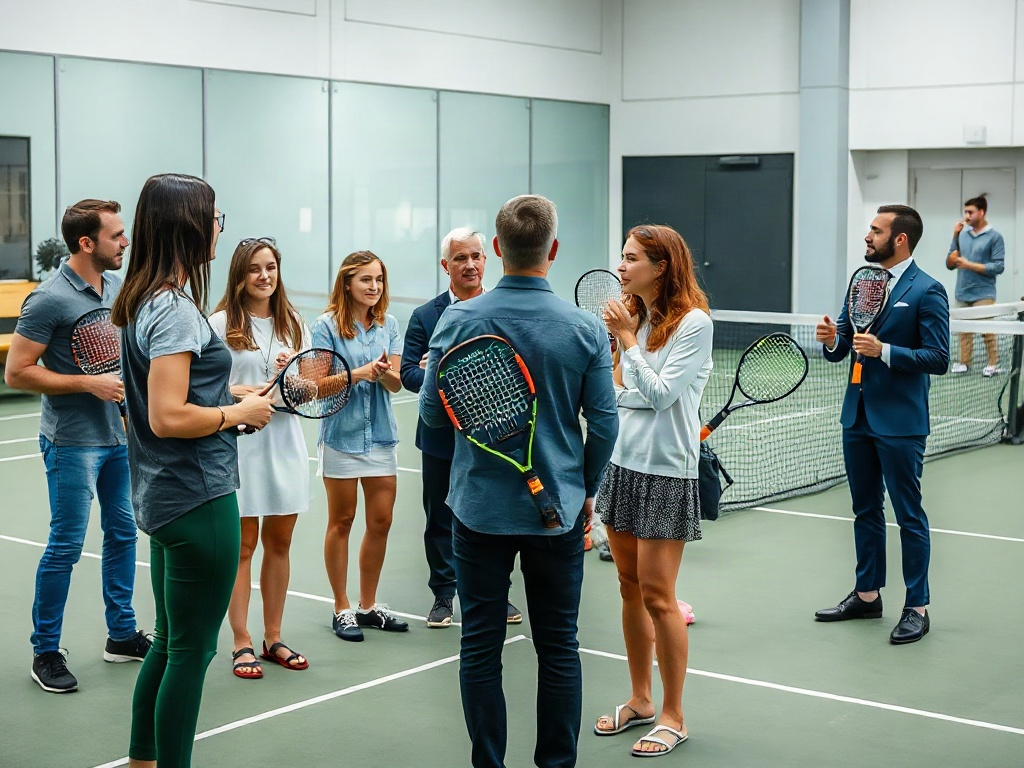
How to Organise a Corporate Padel Day for Complete Beginners
A well-planned corporate padel day can do more than fill a calendar slot. It can give colleagues a shared experience that feels fresh, active, and genuinely enjoyable, even for people who have never held a padel racket before. Because padel is easy to learn and naturally social, it removes the pressure that often comes with workplace sporting events. That makes it especially effective for mixed teams, where confidence levels, fitness, and experience can vary widely. When organised thoughtfully, it can become the kind of event people talk about long after they have left the court. The key is to keep it simple, welcoming, and structured enough to feel effortless for the organiser as well as the players.
What makes padel particularly useful for corporate events is the balance it strikes between competition and accessibility. It is energetic without being intimidating, and collaborative without requiring complex skills. For beginners, that means they can join in quickly and enjoy the game without feeling left behind. For event planners, it means fewer barriers when building an inclusive team day. You can create a memorable experience with the right venue, a sensible format, and a little attention to the details that matter most. In other words, the success of the day depends less on perfection and more on thoughtful preparation.
Why Padel Works So Well for Corporate Events

Padel has grown quickly in popularity because it offers instant fun and a low barrier to entry. Most beginners can understand the basics within minutes, which makes it ideal for groups that include people with no sporting background. The smaller court, enclosed walls, and doubles format help keep rallies going, so players stay involved even when they are still learning. That matters in a corporate setting, where the goal is usually participation rather than elite performance. It also means less awkward downtime and more natural interaction between colleagues. As a result, the event feels lively from the start and inclusive throughout.
Beyond the game itself, padel supports the kind of workplace culture many businesses want to encourage. Colleagues who do not usually work together can connect in a relaxed environment, and the shared challenge of learning something new helps break down barriers quickly. The sport also creates easy moments for conversation, encouragement, and light competition, which are useful ingredients for team building. Unlike some activities that can feel forced, padel gives people a reason to engage naturally. It can work just as well for internal teams as it can for clients or partners. That flexibility is one of the reasons it has become such a strong choice for corporate planners.
When employees participate in a padel day, they often leave with more than just a good memory. The event can strengthen relationships between departments, support wellbeing, and give people a more relaxed way to interact outside the office. It can also help new team members feel included more quickly, because the environment is informal and the structure encourages mixing. Even employees who are not especially competitive can still enjoy the atmosphere, the teamwork, and the social element. This makes the event useful as both a morale booster and a relationship builder. In practical terms, it is a simple way to invest in culture without overcomplicating the experience.
Define the Purpose and Format of the Day

Before booking anything, it helps to decide exactly why the event is happening. Some companies want a team-building day, while others are planning a client entertainment event, a reward for staff, or a combination of all three. The purpose matters because it affects everything from the schedule to the tone of the day. A more social format may suit a mixed group of beginners, while a slightly more competitive setup may work better for returning players. If you clarify the goal early, the rest of the planning becomes much easier. You will also avoid building an event that looks impressive on paper but does not suit the people attending.
The format should reflect the size of your group, the skill level of participants, and how much time you have available. A half-day event may be enough for a short coaching session and friendly matches, while a full-day format can include longer play, meals, and networking time. It is also worth considering whether you want teams to stay fixed or whether you prefer rotating pairs and opponents. Rotations tend to work well for beginners because they reduce pressure and create more opportunities for people to mingle. If the group includes a wide range of abilities, a flexible format is usually the safest choice. The more adaptable the structure, the easier it is to keep everyone comfortable.
There is no single correct way to run a corporate padel day, but a few formats work especially well for beginners. A round-robin setup can keep things moving and ensure everyone gets several short matches. A coaching-led event with warm-up drills and guided games is useful if almost nobody has played before. Some organisers prefer a tournament-style format, but this works best when the competitive element is light and the emphasis remains on fun. You can also mix play with food, drinks, and informal networking if you want a more relaxed corporate experience. The best choice is usually the one that makes the group feel involved rather than intimidated.
Set a Realistic Budget
Budgeting is one of the most important parts of organising a successful padel day, because the experience can include several separate costs. Court hire, coaching, rackets, balls, refreshments, prizes, and venue support can all add up quickly. You may also need to account for transport, branded materials, or insurance depending on the scale of the event. The best approach is to build a budget around your core priorities first, then add optional extras if there is room. This prevents overspending on features that do not materially improve the attendee experience. A clear budget also makes it easier to compare venues and service packages.
It is useful to think in terms of value rather than just cost. A slightly more expensive venue may be worth it if it provides coaching, equipment, and event coordination in one package. Likewise, catering can have a strong impact on the overall impression the day creates. A well-fed group tends to be a happier and more engaged group, especially if the event runs for several hours. If you are planning for a larger company or a client-facing event, a contingency fund is particularly important. That extra margin gives you flexibility if the number of attendees changes or a detail needs to be upgraded at short notice.
Choose the Right Venue
The venue plays a major role in whether the day feels polished or chaotic. A good corporate padel venue should be accessible, easy to find, and equipped to handle beginners as well as more experienced players. It should also have enough courts for your group size, or at least a system that allows smooth rotations without long waiting periods. Facilities such as changing rooms, parking, and seating areas may seem secondary, but they can shape the comfort of the day significantly. If refreshments or catering are part of the plan, make sure the venue can support that without disrupting the flow of play. A suitable venue should reduce your workload rather than create more of it.
When comparing options, think about the full attendee journey, not just the courts themselves. People need to arrive easily, check in smoothly, get equipped quickly, and feel clear about what happens next. If any of those steps feel confusing, the event can lose momentum before play even starts. It is often worth visiting the venue in advance if possible, because photos and listings do not always tell the full story. Ask how they support corporate groups, whether they provide staff on the day, and how they handle beginners. Those answers will reveal whether the venue is simply suitable or genuinely helpful.
Asking the right questions early can save time, money, and stress later on. You want to know not just whether the venue can host your event, but whether it can do so well. It is worth checking court availability, equipment provision, coaching support, and the amount of space available for breaks or social time. If the answer to any key question is unclear, that is usually a sign to probe further. A corporate event runs more smoothly when the venue understands that the experience matters as much as the sport. Good operational support is often what separates a decent event from a memorable one.
- How many courts are available at the same time?
- Do you provide rackets and balls for beginners?
- Can you arrange coaches or event staff to support the group?
- Is there space for food, drinks, and informal networking?
- What accessibility features or parking options are available?
Plan the Player Experience
The experience of the players should be at the centre of every planning decision. If the group is made up of complete beginners, the day should feel approachable from the very first moment. That means simple explanations, a welcoming tone, and a pace that allows people to settle in without pressure. It is not enough to assume attendees will “figure it out” on arrival, because uncertainty can quickly become embarrassment. A short briefing, clear signage, and a relaxed atmosphere can make an enormous difference. When people feel comfortable, they participate more fully and enjoy themselves more.
It also helps to think carefully about the balance between activity and recovery. Beginners usually need a little time to process what they have learned, especially if they are being introduced to rules, scoring, and basic techniques all at once. Short breaks, water access, and a visible event schedule all help the day feel manageable. You can also make the atmosphere less formal by allowing for conversation between matches. This keeps the event social and prevents it from feeling like a fitness test. A good padel day should feel energetic, but never rushed.
Arrange Coaching and Support
Coaching is one of the most valuable additions you can make for a beginner-friendly corporate padel day. Even a short session with an experienced coach can give participants the confidence they need to start playing properly. The coach can explain the rules, demonstrate basic shots, and help people understand positioning in doubles. That reduces confusion and helps the whole group move into play more quickly. It also creates a better standard of safety, because players know what to expect from one another. In a corporate context, good coaching often pays for itself in smoother participation and better overall energy.
Support is not just about teaching technique, though. It is also about ensuring the event runs on time and that matches flow naturally from one to the next. Someone should be responsible for keeping things moving, answering questions, and stepping in if there is a scheduling issue. For larger groups, having both coaches and an event lead can be especially helpful. That way, the players can focus on enjoying the experience instead of worrying about logistics. The more invisible the administration feels to attendees, the better the event usually goes.
Create a Simple Match Structure
A clear match structure is essential because it gives the day direction without making it feel rigid. Beginners often need a format that is easy to follow and forgiving if they forget a rule or miss a shot. Short matches work well because they keep the pace lively and allow different people to play with and against one another. Rotating partners is particularly effective for corporate events, as it encourages networking and keeps the mood inclusive. You do not need a complex tournament bracket to make the day successful. In most cases, a straightforward structure produces the best mix of fun, fairness, and flow.
The table below shows a simple example of how a beginner-friendly corporate padel day can be organised. It is only one possible model, but it demonstrates how coaching, play, and social time can be blended into a smooth schedule. The format can be shortened or expanded depending on your group size and available venue time. What matters most is that the day never feels like a long stretch of unstructured waiting. A little organisation goes a long way when the attendees are new to the sport. With the right timing, even a first-time group can feel like the day was designed just for them.
| Time | Activity | Purpose |
|---|---|---|
| Arrival | Check-in and welcome refreshments | Settle attendees and create a relaxed start |
| Early session | Rules briefing and basic coaching | Build confidence for complete beginners |
| Mid-session | Short friendly matches with rotations | Encourage participation and team mixing |
| Later session | Final games or light team challenge | Keep energy high without overcomplicating play |
| End of day | Food, drinks, and informal socialising | Close the event on a positive, memorable note |
The best match structures for beginners are simple enough to understand quickly and flexible enough to adapt if needed. Keep match lengths short so players stay engaged and do not feel exhausted too soon. Mixing ability levels can be useful, but only if it is done thoughtfully and with enough support to prevent anyone feeling outclassed. Rotations, mini-challenges, and occasional coaching reminders can keep the energy balanced throughout the day. The aim is not to create pressure, but to create momentum. When the structure is light and clear, beginners usually relax and enjoy themselves far more.
- Use short matches to maintain energy and focus.
- Rotate players so everyone gets a fair amount of court time.
- Mix up partners to encourage conversation and inclusion.
- Leave space for coaching corrections between rounds.
- Keep scoring simple so beginners are not overwhelmed.
Communicate Clearly with Attendees
Good communication removes uncertainty before it has a chance to affect the event. Attendees should know where they are going, what time to arrive, what to wear, and whether they need to bring anything. For beginners, reassurance is especially important, because many people will worry privately that they are not sporty enough or may not understand the game. A clear invitation can answer those concerns before they grow. It is also helpful to explain the tone of the event so that people know it is designed to be fun and inclusive. The clearer the message, the fewer surprises on the day.
Communication should continue right up to the event itself. A reminder email the day before can reduce late arrivals and help people feel prepared. If the schedule changes, update attendees as soon as possible so nobody arrives expecting something different. You can also use your messages to create a sense of excitement rather than just sharing logistics. A well-written invitation makes the event feel intentional and appealing. That small touch can improve engagement before anyone even reaches the venue.
Add Food, Drinks, and Social Time
Food and drinks turn a sporting activity into a fuller corporate experience. They create natural pauses, give attendees a chance to talk, and help the day feel less transactional. For beginners especially, the social element can be just as important as the padel itself. Some people will enjoy the game immediately, while others may enjoy the chance to watch, chat, and connect around the court. A casual meal or drinks reception also helps the event feel polished and complete. In many cases, the shared time off the court becomes the part people remember most.
It is worth matching the catering to the style of the event. A light breakfast works well for morning sessions, while sandwiches, bowls, or casual buffet-style food may suit a half-day or full-day format. Drinks should be easy to access, especially if the group is active for several hours. If the event is client-facing, a more considered dining setup may be appropriate. If it is mainly for staff, the tone can stay relaxed and informal. The goal is not luxury for its own sake, but comfort and enjoyment that support the overall flow of the day.
- Provide water and hydration options throughout the event.
- Offer food that is easy to eat between sessions.
- Include a social moment such as drinks or a team photo.
- Consider a small prize or recognition moment to close the day.
Make the Event Inclusive for Everyone
Inclusivity should be built into the event from the beginning, not added as an afterthought. A corporate padel day works best when people of different abilities feel equally able to take part. That means being careful with the competition level, the pace of play, and the language used in communication. Some attendees may be eager to compete, while others may simply want to try something new in a supportive setting. Both types of participant should feel equally welcome. When inclusivity is done well, the entire event feels more relaxed and more successful.
You can make the event more inclusive by providing alternative roles for non-players, such as cheering, scoring, helping with team rotation, or joining the social portion later. It is also important to avoid structures that reward only the strongest players, because this can quickly discourage beginners. Mixed-ability pairings, optional coaching, and flexible pacing all help create a better experience. If the group includes people with mobility or accessibility needs, plan for this early and confirm what the venue can support. Thoughtful inclusion is not just considerate; it is one of the main reasons a corporate event succeeds. People remember how they were made to feel, not just what they did on court.
Manage the Logistics on the Day
Even a simple corporate padel day can unravel if the logistics are not under control. A clear schedule, visible point of contact, and smooth registration process all help the day begin calmly. Equipment should be ready before attendees arrive, and courts should be assigned in a way that avoids confusion. If coaching or catering is involved, those providers should know exactly when and where they are needed. The best events feel effortless to participants precisely because someone has handled the behind-the-scenes detail carefully. Good logistics are rarely noticed when they work, but they are immediately obvious when they do not.
It is also sensible to prepare for small issues in advance. People may arrive late, the weather may affect outdoor plans, or someone may need a quick equipment replacement. Having a clear contingency plan prevents those minor problems from becoming major distractions. Assign one person to oversee the event rather than letting responsibility drift between several people. That single point of contact can make decisions quickly and keep the experience coherent. A calm organiser often sets the tone for the entire day. When the logistics feel stable, the group is much more likely to relax and enjoy themselves.
Measure Success After the Event
The event is not truly finished until you have reviewed how it went. Feedback from attendees can tell you what felt enjoyable, what was confusing, and what should be changed next time. That information is especially useful if you plan to run another padel day in the future. You may also want to review whether the event achieved its original purpose, whether that was team bonding, client engagement, or employee recognition. Success is not just about how many people attended, but how the experience landed with them. A short review process makes the next event easier and usually better.
Look at both practical and emotional outcomes when assessing the day. Did the schedule run on time, and were people able to participate comfortably? Did the event feel welcoming to beginners, and did attendees seem to enjoy the social side as well as the sport? These are the kinds of questions that help you refine your approach. If possible, gather a mix of informal comments and a simple written response. That combination gives you a fuller picture of what worked. The more carefully you review the event, the more confidently you can improve the next one.
Итог
Organising a corporate padel day for complete beginners does not need to be complicated. When you start with a clear purpose, choose a supportive venue, and keep the format simple, the event becomes far easier to manage and much more enjoyable for everyone involved. Coaching, communication, food, and inclusive planning all play an important role, but none of them need to be elaborate to be effective. What matters most is creating an experience that feels welcoming, organised, and genuinely fun. Padel is especially well suited to that kind of event because it lowers barriers and encourages people to connect naturally. With the right preparation, you can turn a first-time sporting experience into a memorable corporate day that strengthens relationships and leaves people wanting more.
Часто задаваемые вопросы
- What is a corporate padel day?
A corporate padel day is a team event where colleagues play padel together, often with coaching, food, and social time included. It is designed to be enjoyable, inclusive, and suitable for a workplace setting. - Do employees need previous padel experience?
No, they do not. Corporate padel days are often designed specifically for complete beginners, with simple rules, supportive coaching, and a relaxed atmosphere. - How long should a corporate padel day last?
It depends on your goals and group size, but many events run as a half-day or full-day experience. A shorter format may work well for introductory sessions, while longer events allow for more play and socialising. - What should beginners wear?
Comfortable sportswear and non-marking trainers are usually the best choice. You should also check with the venue in case it has specific footwear or clothing requirements. - Is padel suitable for mixed ability groups?
Yes, padel is ideal for mixed ability groups because it is easy to learn and works well in doubles. With the right structure and support, beginners and more experienced players can both enjoy the day.